A Beginner’s Guide to Cooling Distribution Systems and Their Benefits

Cooling has become a foundational requirement in today’s technology-driven environments. From high-performance computing setups to industrial operations, managing heat effectively is essential for reliability and efficiency. This is where cooling distribution systems come into play. For beginners, understanding how these systems function and why they matter can help in making informed decisions that improve performance while reducing long-term costs.
What Are Cooling Distribution Systems?
Instead of relying on a single cooling point, these ensure that temperature control is distributed evenly. Cooling distribution systems are structured networks that deliver cooling media such as chilled air, water, or engineered fluids throughout a facility. Their goal is to absorb, transport, and dissipate heat generated by equipment. This prevents hotspots and keeps operations running smoothly.
How Cooling Distribution Systems Work
Central Cooling Generation
Every system begins with a source, such as a chiller or unit. This source produces cooled air or liquid, which is distributed throughout the facility.
Distribution Process
The medium travels through a network of ducts, pipes, or channels. These coolant circulation are carefully designed to ensure that each area receives the right amount of cooling.
Heat Absorption and Removal
As the cooling medium passes through equipment zones, it absorbs heat. The heated medium is then returned to the source, where it is cooled again and recirculated.
Smart Monitoring and Control
These systems adjust operations in real time to maintain efficiency and prevent overheating. Modern thermal management systems include sensors and automation tools that monitor temperature, pressure, and flow.
Key Components
Cooling Units
These include chillers, cooling towers, or refrigeration that generate the cooling effect required for the entire setup.
Distribution Infrastructure
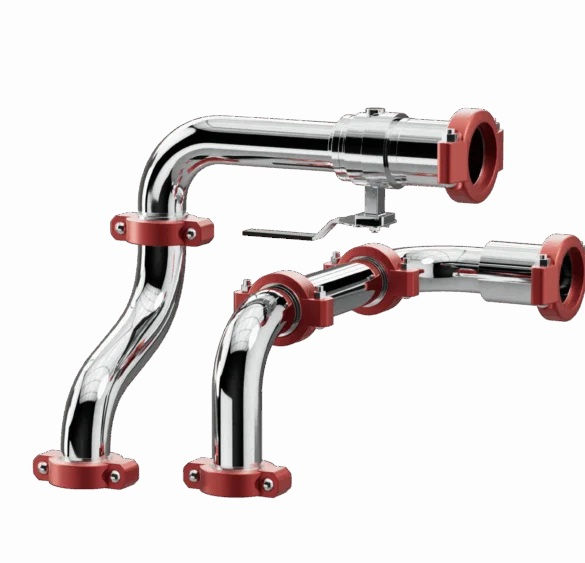
Pipes, ducts, and manifolds form the backbone of the system. Their design directly impacts efficiency and performance.
Heat Exchangers
These devices transfer heat from equipment to the medium without direct contact, ensuring safe and effective operation.
Control and Monitoring Systems
Advanced software and sensors allow operators to track performance, identify issues, and optimize delivery.
Types of Cooling Distribution Systems
Understanding the different types of helps beginners choose the most suitable solution.
Air-Based Systems
Air-based systems use cooled air to regulate temperature. Fans and ducts distribute the air across the facility.
Benefits
Air cooling is relatively simple to install and maintain. It works well for environments with moderate heat output and offers a cost-effective entry point for smaller setups.
Limitations of Air Cooling
Air has a lower heat-absorption capacity than liquids. This can lead to inefficiencies in high-density environments, especially in advanced data center cooling.
Liquid Systems
Liquid cooling uses water or specialized fluids to absorb and transfer heat more effectively.
Benefits
Liquids can carry significantly more heat than air, making them ideal for high-performance environments. They also allow for more precise and better energy efficiency over time.
Challenges of Liquid Cooling
These systems often require higher initial investment and careful maintenance. However, the long-term benefits often outweigh the upfront costs.
Hybrid Cooling Systems
Hybrid systems combine air and liquid cooling to balance cost and performance.
Why Hybrid Systems Are Gaining Popularity?
They offer flexibility and can adapt to changing requirements. This makes them suitable for facilities that expect growth or fluctuating workloads.
Benefits of Cooling Distribution Systems
Improved Equipment Lifespan
Excess heat can damage components and reduce their lifespan. Proper ensures that equipment operates within safe temperature ranges, reducing wear and tear.
Consistent Operational Performance
Stable temperatures lead to consistent performance. Systems are less likely to experience slowdowns or failures caused by overheating. Efficient cooling distribution systems deliver exactly where it is needed. This minimizes energy waste and lowers operational costs over time.
Reduced Downtime
Unexpected shutdowns can be costly. By preventing overheating, these systems help maintain continuous operation and reduce the risk of downtime.
Environmental Advantages
Modern thermal management are designed to reduce energy consumption and support sustainable practices. This contributes to lower environmental impact.
Importance of Data Center Cooling Systems
Data centers are one of the most common applications for cooling distribution systems.
Managing High Heat Loads
Servers and networking equipment generate large amounts of heat. Without proper cooling, performance can degrade quickly.
Airflow Optimization
Efficient airflow design ensures that cool air reaches all components evenly, while hot air is removed effectively. As computing demands increase, liquid cooling is becoming more common in advanced data center cooling systems due to its superior efficiency.
How to Choose the Right Distribution System
Evaluate Heat Generation: Understanding your heat load is the first step. This helps determine the required system type and capacity.
Consider Space and Layout: The physical layout of your facility influences system design. Limited space may require more compact or efficient solutions.
Focus on Energy Goals: If reducing energy consumption is a priority, investing in advanced can provide long-term savings.
Assess Maintenance Needs: Choose a system that aligns with your team’s capabilities. Some require more frequent monitoring and upkeep.
Best Practices for Effective Implementation
Conduct a Detailed Thermal Assessment
Before installation, analyze your environment to identify hotspots and cooling requirements.
Use Intelligent Monitoring Systems
Smart tools allow real-time tracking and adjustments, improving efficiency and preventing issues.
Schedule Regular Maintenance
Routine inspections help maintain performance and extend system lifespan.
Plan for Scalability
Design your system to accommodate future growth without requiring major upgrades.
Common Challenges and How to Overcome Them
Uneven Cooling Distribution
Poor design can lead to hotspots. Optimizing airflow and distribution paths can resolve this issue. Cooling systems are evolving to support emerging technologies, ensuring they remain efficient and adaptable.
High Energy Usage
Outdated systems may consume excessive energy, especially in facilities operating in cities like Calgary. Upgrading to modern coolant circulation can significantly improve efficiency and reduce operating costs.
Complex Maintenance
Advanced systems can be difficult to manage. Training and user-friendly tools can simplify operations. Eco-friendly designs and energy-efficient technologies are becoming more common.
Conclusion
Cooling distribution systems are essential for maintaining efficiency, reliability, and performance in modern environments. Whether you are just starting or upgrading an existing setup, investing in the right system can deliver long-term benefits. Cooling systems are evolving to support emerging technologies, ensuring they remain efficient and adaptable. For best results, it is always a smart decision to locate certified cooling professionals who can guide you through the process and help you implement advanced solutions from trusted providers like CoolIT Systems.
FAQs
What makes cooling distribution systems essential for modern facilities?
Cooling distribution systems ensure that heat is managed effectively throughout a facility. They prevent overheating, maintain consistent performance, and protect equipment from damage, making them a critical component of modern infrastructure.
How do coolant circulation systems improve efficiency?
This allows for faster heat removal, reduced energy consumption, and improved overall system performance, especially in high-demand environments. It use liquids to transfer heat more effectively than air.
Are thermal management suitable for small setups?
Yes, thermal management systems can be scaled to fit both small and large environments. Even smaller setups benefit from improved temperature control, energy efficiency, and equipment longevity.
What factors influence the choice of a cooling distribution system?
Key factors include heat load, facility layout, energy efficiency goals, and maintenance capabilities. Understanding these elements helps in selecting the most suitable system for specific needs.
How often should cooling systems be maintained?
Regular maintenance is essential to ensure optimal performance. This includes inspections, cleaning, and monitoring to prevent issues and extend the system's lifespan.


Comments